
Official Union County Warrant Sources
No official page gives a full, public Union County warrant search. That is the honest starting point. The Sheriff's homepage links a Most Wanted List, but the inspected wanted page returned a not-found result during review, so it should not be treated as a complete or current warrant clearance. Warrants also move fast. One can be issued, served, or recalled in a single day, which no public webpage tracks in real time.
Instead, warrant information shows up across a handful of official channels. Each one covers a slice of the picture. Used together, they give a reasonable read on whether a warrant or court problem exists.
- Sheriff's Most Wanted link from the homepage, when posted.
- The Sheriff's P2C Daily Bulletin for arrests, citations, incidents, and ordinance events.
- The P2C Recent Arrests page for new bookings.
- The eCourts Portal for court dates and failure-to-appear events.
- The Clerk of Superior Court for court file status.
- The Sheriff's Office or jail for custody confirmation.
The Union County Daily Bulletin
The Sheriff's P2C Daily Bulletin is one of the most useful public tools. It lists law enforcement events for a chosen date and lets you filter by event type. The case numbers carry short prefixes that name the event fast. AR means arrest. TC means citation or summons. LW means incident. OR means ordinance violation. A printer-friendly version opens for a chosen date and type.
The bulletin is not a warrant list, but it shows arrests, which can follow a served warrant. The field layout is steady, so once you learn it, scanning a day is quick.
| Field Label | Type | Notes |
|---|---|---|
| Event Type Filter | Dropdown | ALL, Arrests, Citations/Summons, Incidents, Ordinance Violations |
| Case # | Result column | Prefix AR, TC, LW, or OR |
| Description | Result column | Offense or event, with attempt, completion, felony, or misdemeanor notes |
| Officer | Result column | Officer tied to the event |
| View image/details | Link | Opens event detail where available |
For court dates and failure-to-appear events, the eCourts Portal is the better source. The Portal shows hearing dates and case status, which is where many warrant problems begin. The Clerk of Superior Court can confirm a court file status when the online tools are unclear.
Types of Warrants in Union County
Not every warrant works the same way. Knowing the type helps you understand what triggered it and what to do next. Some come from a judge during a case. Some come from a magistrate at the start. Search warrants are different again, since they target a place rather than a person.
- Arrest warrant - authorizes police to arrest a named person for a charged offense.
- Bench warrant - issued by a judge, often when a person fails to follow a court order.
- Search warrant - authorizes a search of a place or property for evidence.
- Order for arrest / failure to appear - issued after a missed court date or other court default.
- Probation violation - issued when a person breaks the terms of supervision.
Union County Warrant Search Fields
Because no single official warrant form was accessible during review, the fields below reflect the kind of inputs the related public tools use. Name fields drive most searches. A date of birth narrows results when a name is common. Always start with the official sheriff and court pages rather than a third-party site.
| Field Label | Type | Required | Notes |
|---|---|---|---|
| Last Name | Text | Yes | Primary search field on most public tools |
| First Name | Text | No | Narrows a long result list |
| Date of Birth | Date | No | Helps tell apart common names where supported |
If a name returns nothing, that does not prove no warrant exists. The public pages may not list every order, and some warrants are sealed. Confirm a real concern through the Clerk or an attorney.
What a Union County Warrant Record Shows
When a warrant record is visible through a court or sheriff source, it tends to carry a standard set of fields. These describe who the warrant names, why it was issued, and where it stands now. Bond details and court dates appear where the source makes them public.
| Field | What It Shows |
|---|---|
| Name | The person the warrant names |
| Case Number | The court or agency file number |
| Warrant / Order Type | Arrest, bench, order for arrest, or other type |
| Charge / Offense | The offense behind the warrant |
| Issuing Court / Official | The judge or magistrate who issued it |
| Issue Date | When the warrant was issued |
| Bond Amount / Type | Bond set, where public |
| Holding Agency | Arresting or holding agency |
| Status | Active, served, recalled, or disposed |
Status is the field people care about most. An active warrant still calls for arrest. A recalled or served warrant has been resolved, though the underlying case may continue in court.
How to Resolve an Outstanding Warrant
A warrant does not go away on its own. Ignoring it is the worst choice, since a routine traffic stop can lead to an arrest. The smarter path is to confirm the warrant, learn the type, and plan the next step with help. Bond may be preset, or a judge or magistrate appearance may be required.
- Do not ignore it; an unrelated police contact can end in arrest.
- Confirm the warrant through official channels: the Clerk of Superior Court, the eCourts Portal, the Sheriff's Office, or an attorney.
- Identify the warrant type, such as order for arrest, bench warrant, probation violation, or search warrant.
- Ask whether bond is preset or whether a magistrate or judge appearance is required.
- If represented, have your attorney arrange the appearance or bond surrender.
- If turning yourself in, bring identification and avoid bringing prohibited items to the jail or court.
- After it is resolved, verify the Portal and court docket updates and keep paperwork showing recall, compliance, bond, or a new court date.
Important: Talk to a lawyer before you turn yourself in, since counsel can often arrange bond or a court appearance and protect your rights.
Bond and Jail Basics
When a warrant is served, the person is booked into the Union County Detention Center on Presson Road. A magistrate or judge then sets conditions of release. Bond can be secured, unsecured, a written promise, custody release, or no bond, depending on the charge and the court order.
The jail and the courthouse are in different parts of the county. Court hearings happen at the Judicial Center in downtown Monroe. Booking and custody happen at the jail. To check whether someone is currently held after a warrant is served, use the Union County inmate records page, which explains the roster search.
What Happens If You Miss Court
A missed court date is one of the most common reasons a warrant gets issued. The result can be an order for arrest, a failure-to-appear entry, bond forfeiture, license consequences for traffic matters, or new court costs. None of these fixes itself.
Check the eCourts Portal for the case status and contact the Clerk or an attorney right away. Acting fast can sometimes limit the damage, especially on traffic cases where a license hold may follow. For underlying charges behind a warrant, see Union County arrest records, and for full case files see court records.
Related State and Federal Searches
Warrants often lead people to broader searches. If a person was released, the sex offender registry tracks ongoing registration. If they were sentenced to state prison, the Department of Adult Correction shows custody. VINELink offers custody notifications, and the Bureau of Prisons covers federal inmates. Each is a free, official tool.
The North Carolina Sex Offender and Public Protection Registry lets you search by name, address, or county. The image below comes from the state sex offender registry.
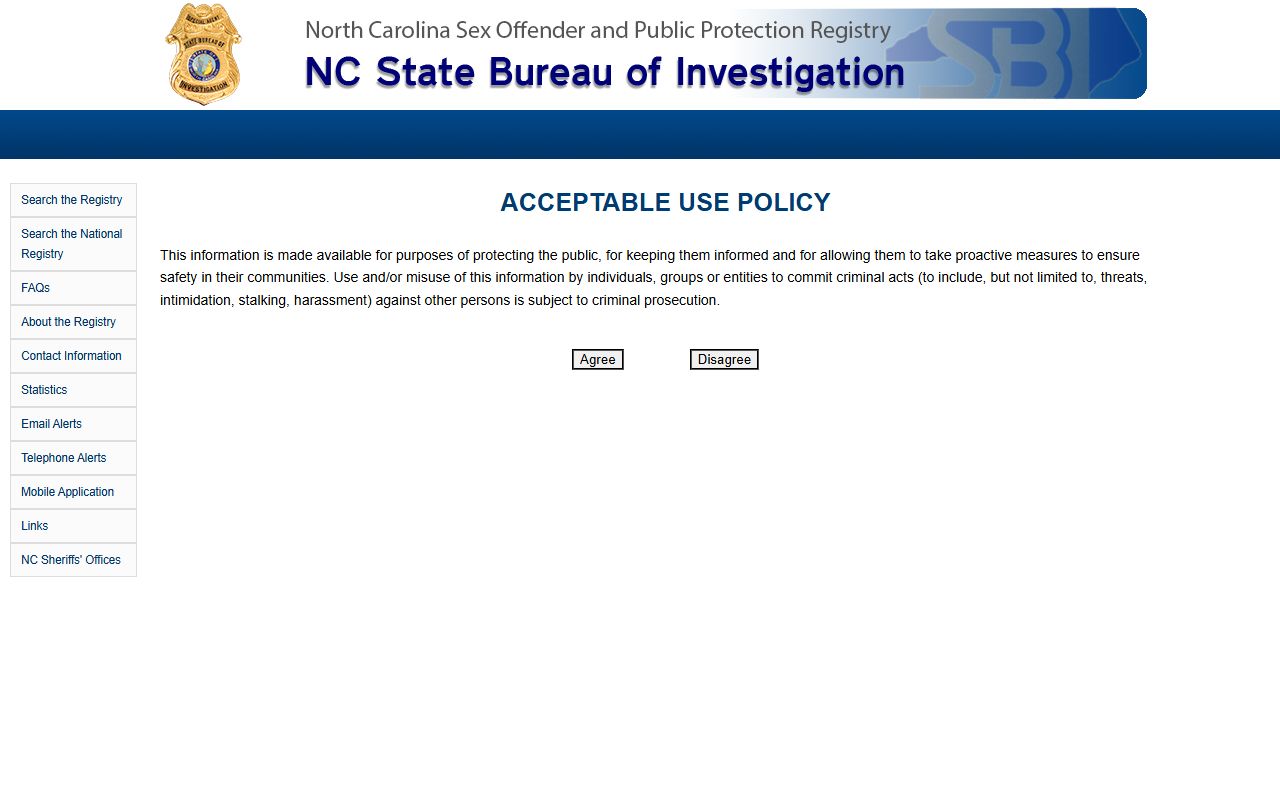
That registry shows registration status and offense details for listed individuals. For people serving state sentences, the Department of Adult Correction runs its own offender search, shown below from the NC DAC offender public information search.
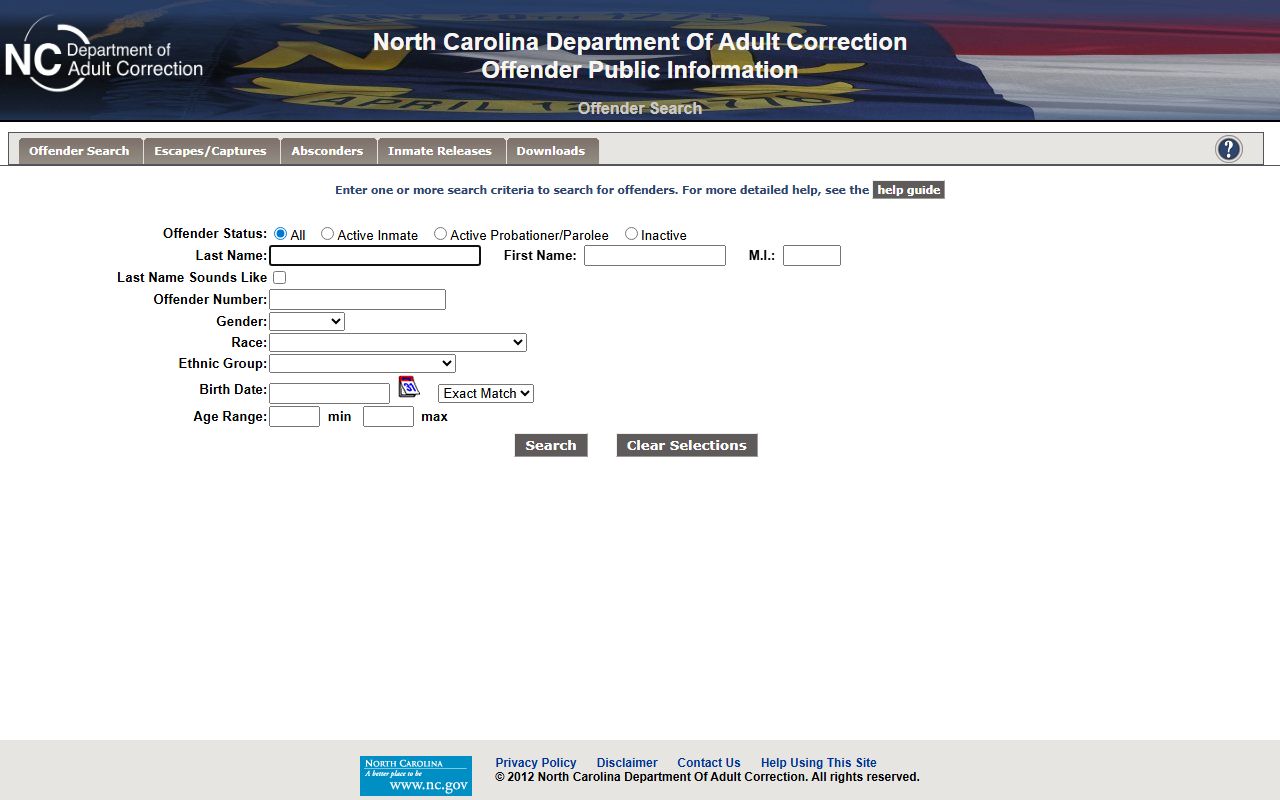
The DAC search shows custody status, conviction data, and county of conviction. To get notified about a custody change, VINELink offers free alerts, captured below from VINELink.
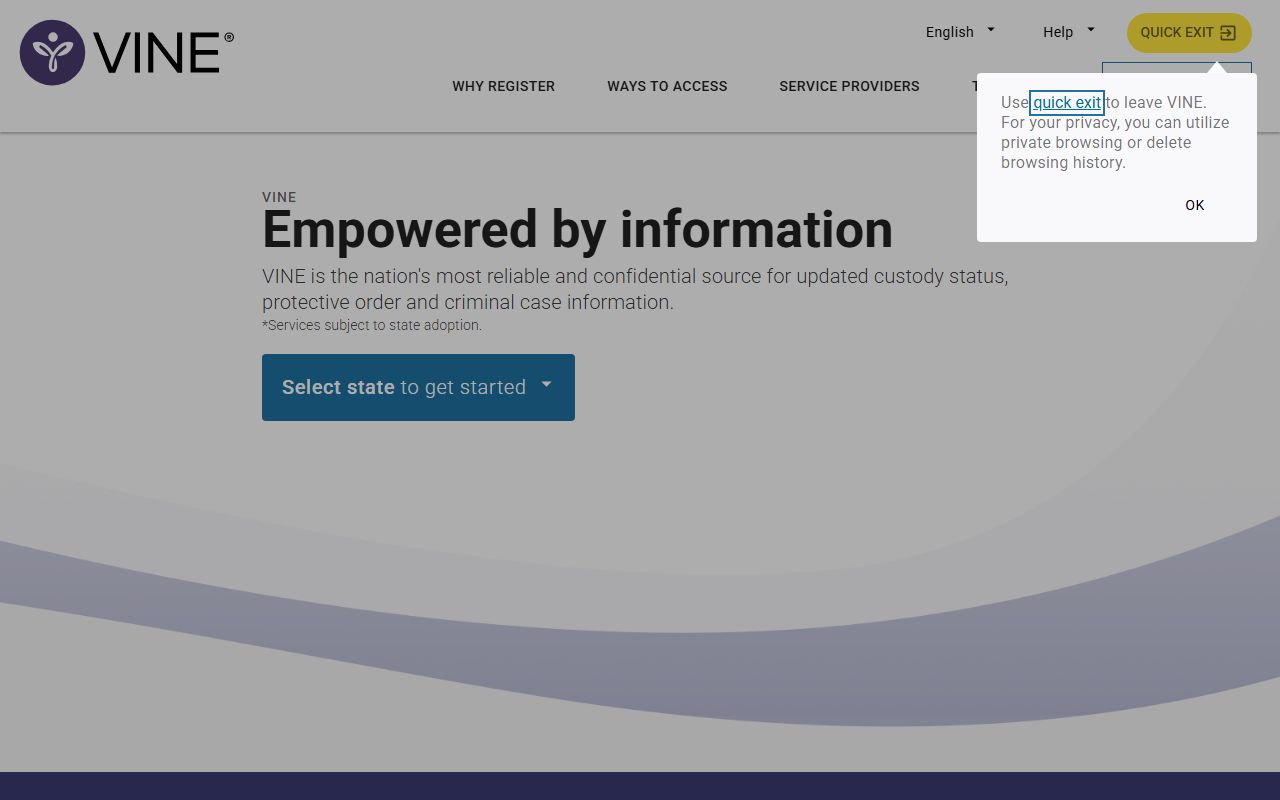
VINELink lets you pick North Carolina, search by name or ID, and set up phone or email notifications. For federal custody, the Bureau of Prisons keeps a separate locator, shown below from the BOP inmate locator.
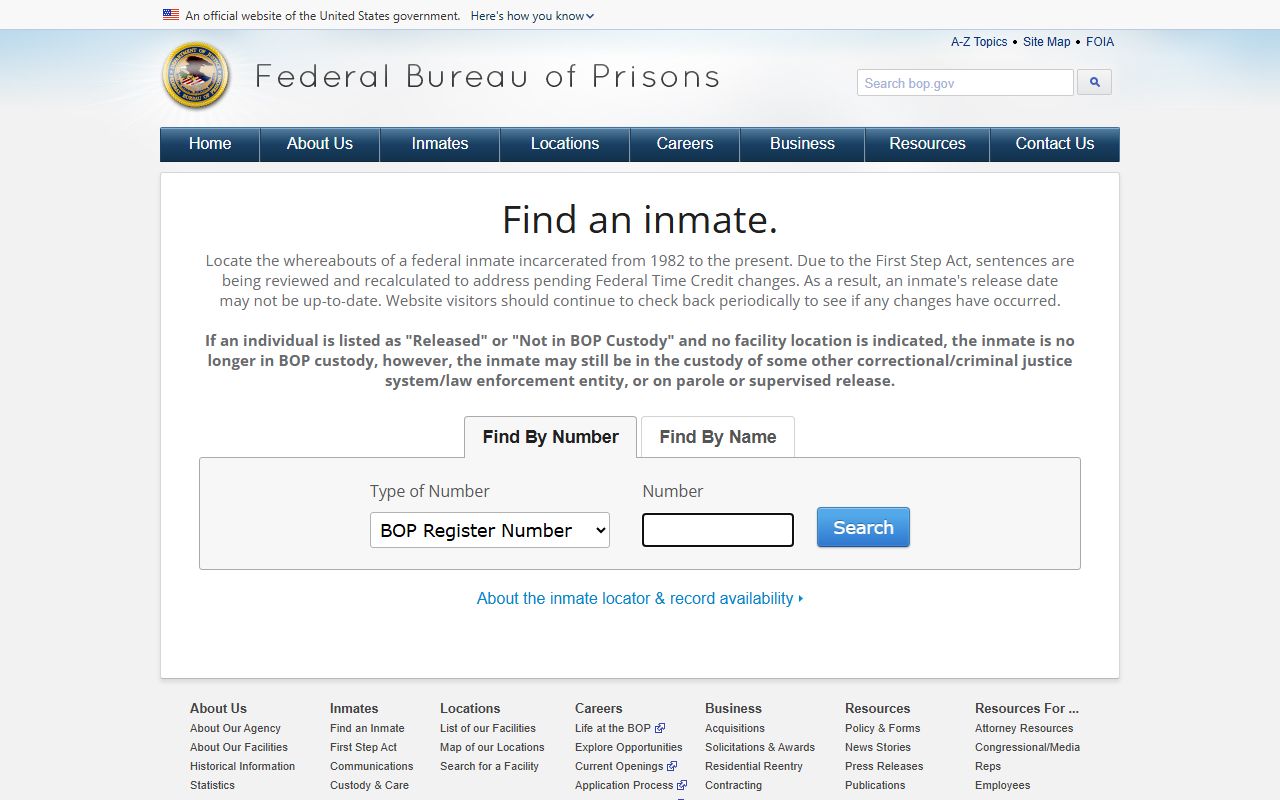
The BOP locator searches by register number or by name for current and recently released federal inmates. For more on these tools, the released inmates page walks through each one.
Restricted Union County Warrant Records
Some warrants are not public at all. Sealed warrants, especially active search warrants, stay hidden so an investigation is not tipped off. Juvenile warrants are confidential under state law. Federal warrants are handled through the U.S. Marshals and federal courts, not the county sheriff.
This is one more reason a clean public search does not guarantee a clean record. If you have a real concern, confirm it through the Clerk of Superior Court, the Sheriff's Office, or an attorney rather than relying on any single webpage.